

GottaRent Blog
Landlord Entry Rules in Ontario: When Your Landlord Can Legally Enter
Aug 20, 2026
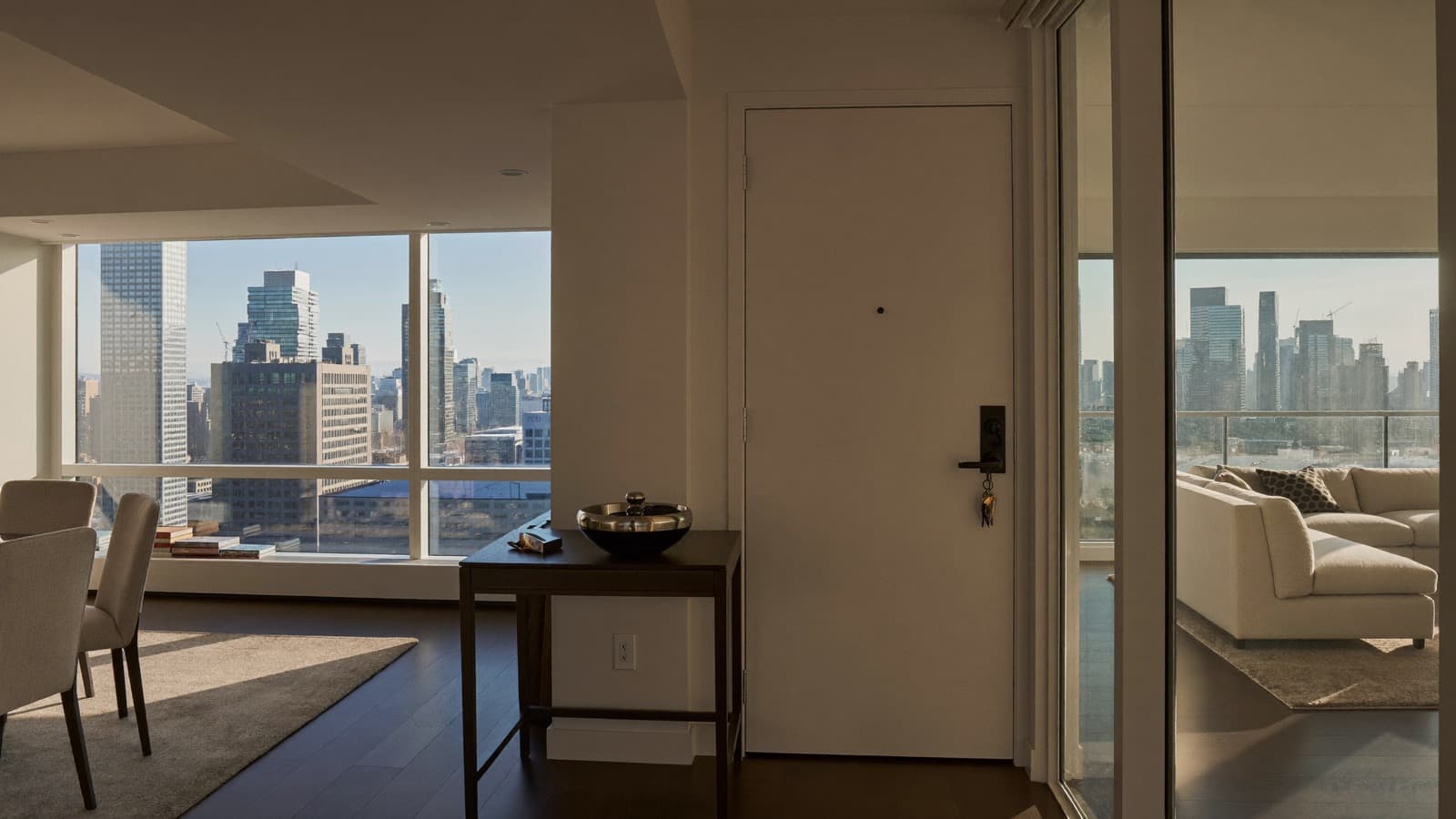
In Ontario, a landlord can only enter your rental unit when the Residential Tenancies Act allows it. In most cases that means giving you written notice at least 24 hours in advance, entering between 8 a.m. and 8 p.m., and stating a valid reason such as a repair, an inspection, or a viewing. There are a few exceptions, including emergencies and situations where you agree to let the landlord in at the time. If a landlord ignores these rules, tenants can apply to the Landlord and Tenant Board using Form T2. This guide explains when entry is legal in Ontario, what a proper notice of entry looks like, how showings work when a unit is being re-rented or sold, and the practical steps to take if your privacy is not being respected.
Your Right to Privacy Under the Residential Tenancies Act
When you rent a home in Ontario, the unit becomes your private space. The Residential Tenancies Act, 2006, usually called the RTA, gives tenants the right to reasonable enjoyment of their home, and it strictly limits when a landlord may come inside. Owning the building does not give a landlord the right to drop in whenever they like. Once a tenancy begins, the tenant has exclusive possession of the unit, and the landlord may only enter in the specific situations the RTA sets out.
These rules apply to most rentals across the province, including condo units rented from an owner, purpose built apartments, basement apartments, rented houses, and townhomes in Toronto and the rest of the GTA. One important exception: if you share a kitchen or bathroom with the owner or a member of the owner's immediate family, the RTA generally does not apply to your arrangement at all, and these entry protections do not cover you in the same way.
The structure of the law is simple once you see it. There are two lawful paths into an occupied rental unit:
- Entry with 24 hours written notice for reasons listed in the RTA, between 8 a.m. and 8 p.m.
- Entry without notice in a short list of situations, such as an emergency or when the tenant agrees to the entry at the time it happens.
Everything else is off limits. A landlord who enters outside these rules is breaking the law, even if they own the property, even if they only stayed a minute, and even if nothing was touched. You can read the full text of the RTA on ontario.ca.
The 24 Hour Written Notice Rule Explained
For routine, planned entry, the landlord must give the tenant a written notice at least 24 hours before entering. A text message sent an hour before showing up, a voicemail, or a knock on the door does not meet the standard on its own. To be valid, the notice must include three things:
- The reason for entry. The RTA lists acceptable reasons: carrying out a repair or replacement, inspecting the unit where the inspection is reasonable to determine its state of repair, letting an insurer or lender view the unit, showing the unit to a potential purchaser, allowing a qualified professional to inspect the unit for a proposed conversion, or another reasonable reason that is written into the tenancy agreement itself.
- The date of entry. A notice that says the landlord may enter any time this month is not a proper notice.
- A time of entry between 8 a.m. and 8 p.m. A window of time is acceptable, but the entry must fall inside daytime hours.
Two points surprise many renters. First, you do not have to be home for a properly noticed entry. If the notice is valid, the landlord may enter with their own key during the stated window even if you are at work. Second, you cannot simply refuse a valid entry. You can absolutely ask to reschedule for a genuine conflict, and most landlords will cooperate, but blocking lawful access to the unit can create problems for the tenant, including maintenance issues going unfixed. Tenants also should not change or add locks without the landlord's consent, since the RTA restricts altering the locking system on both sides.
When a Landlord Can Enter Without Notice
The RTA allows entry without any written notice in a small number of situations. Knowing them helps you tell the difference between a landlord who is acting lawfully and one who is crossing a line.
- Emergencies. A burst pipe, a fire, a strong smell of gas, or water pouring into the unit below are classic examples. In a genuine emergency the landlord or superintendent may enter immediately, at any hour, to deal with the problem.
- Consent at the time of entry. If the landlord knocks and you agree to let them in right then, no notice is needed. Consent given in the moment is always an option, but it is your choice to give it.
- Cleaning services in the lease. If your tenancy agreement requires the landlord to clean the unit, they may enter to do so at the times the agreement specifies or, if no times are set, between 8 a.m. and 8 p.m.
- Showings after a tenancy is ending. Once either side has given a notice to end the tenancy, or you and the landlord have agreed to end it, the landlord may show the unit to prospective tenants without written notice. Even then, the law requires the landlord to make a reasonable effort to tell you before coming, and entry must happen between 8 a.m. and 8 p.m.
Care homes have some additional rules of their own, and a tenancy agreement can also allow entry for a reasonable purpose spelled out in the agreement, though that path still requires the normal 24 hour written notice.
Repairs, Inspections, Showings and Selling the Unit
Most entry disputes come up in a handful of everyday situations, so it is worth walking through how the rules apply to each one.
Repairs and maintenance. A landlord needs 24 hours written notice to send in a contractor or superintendent for non urgent work. The workers act as the landlord's agents, so the same rules cover them. If the repair is urgent, such as active flooding, the emergency exception applies instead.
Inspections. Landlords may inspect the state of repair of a unit, with proper notice, where the inspection is reasonable. Occasional inspections are normal and can protect tenants too, since they document the unit's condition. Inspections so frequent that they interfere with your reasonable enjoyment of the home are a different story and can be challenged at the Landlord and Tenant Board.
Selling the unit. When an owner lists a rented condo or house for sale, showings to potential purchasers require the standard 24 hours written notice for each entry, within the 8 a.m. to 8 p.m. window. Real estate agents are treated as the landlord's agents. The tenancy itself does not end because the property is sold; a buyer generally inherits the tenancy, a topic covered in our Landlord and Tenant Board guide on gottarent.com.
Photos and videos for a listing. The RTA does not directly address photographing an occupied unit, and views differ on where the line sits. If you are uncomfortable with your belongings appearing in a public listing, raise it in writing and try to agree on limits, such as photographing rooms after personal items are put away.
What to Do If Your Landlord Enters Illegally
If your landlord walks in without notice, shows up repeatedly outside the rules, or enters outside the 8 a.m. to 8 p.m. window, you have real remedies. The practical playbook looks like this:
- Document everything. Record the date, time, who entered, and what happened, as close to the event as possible. Photos, doorbell camera clips, and messages from the landlord are all useful evidence.
- Raise it in writing. Send a polite but clear message stating that the entry did not comply with the Residential Tenancies Act and asking the landlord to provide proper 24 hour written notice in the future. Many problems end here, because some landlords simply do not know the rules.
- Apply to the Landlord and Tenant Board. If illegal entry continues, file Form T2, the Application About Tenant Rights, with the LTB. The Board can order the landlord to stop entering illegally, order a rent abatement, and grant other remedies where the conduct also amounts to harassment or substantial interference with your reasonable enjoyment. The T2 form and instructions are available on tribunalsontario.ca.
- Report serious cases. Illegal entry can also be an offence under the RTA. The province's Rental Housing Enforcement Unit, reachable through ontario.ca, deals with offences under the Act and can contact landlords about their obligations.
Avoid self help measures like changing the locks without consent. It feels satisfying, but it puts you offside the RTA and weakens an otherwise strong case at the Board.
Quick FAQ for Ontario Renters
Here are quick answers to the questions Ontario renters ask most often about entry and privacy.
Can my landlord do a monthly inspection? The RTA allows inspections that are reasonable and made with proper notice. There is no fixed legal schedule, but inspections frequent enough to disturb your reasonable enjoyment can be challenged with a T2 application.
Can I refuse entry if the notice is valid? Not really. You can ask to reschedule for a genuine conflict, and you can be present if you wish, but you cannot block a lawful entry.
Can the landlord enter while I am at work? Yes, if the written notice is valid. You do not need to be home, and the landlord may use their own key during the stated window.
Does a text message count as written notice? A written notice must state the reason, date, and time. Whether electronic delivery is acceptable can depend on what you and the landlord have agreed to and on the Board's rules, so landlords are safest with paper notice and tenants should keep copies of everything either way.
Where can I learn more? The Landlord and Tenant Board publishes guides and forms on tribunalsontario.ca, and the full Residential Tenancies Act is on ontario.ca. For the bigger picture on Ontario renting, see our guides to the Landlord and Tenant Board and the Ontario standard lease on gottarent.com, and browse current Toronto and GTA rental listings at gottarent.com when you are ready for your next home.
Keep reading
More from the GottaRent blog



Keep exploring
Find your next place to call home
Browse apartments, condos, and houses for rent across Canada.
Browse apartments for rent