
Jul 24, 2019
GottaRent Blog
Aug 1, 2019
If you've found a cheap basement apartment in your area, it may be too good to be true. Many homeowners build secondary dwellings within their homes to rent out for extra income. Homeowners are obligated to build basement apartments (often called second suites or additional residential units) to the Building Code and Fire Code, get a building permit and pass a final inspection; you can ask to see the permit or check with the municipality. If the unit turns out to be unpermitted you still have full rights as a tenant under Ontario's Residential Tenancies Act, but an order to close the unit could force you to move, so it pays to check first. As a landlord, a homeowner is subject to the same rules and regulations as an owner of a high-rise rental. Be wary if there is no written agreement, or if the landlord asks for rent payments in cash.
You also have to make sure the unit is safe. Do you have a separate entrance? Locks on your doors? Proper windows and ventilation? Don't put your health and safety at risk for an affordable apartment.
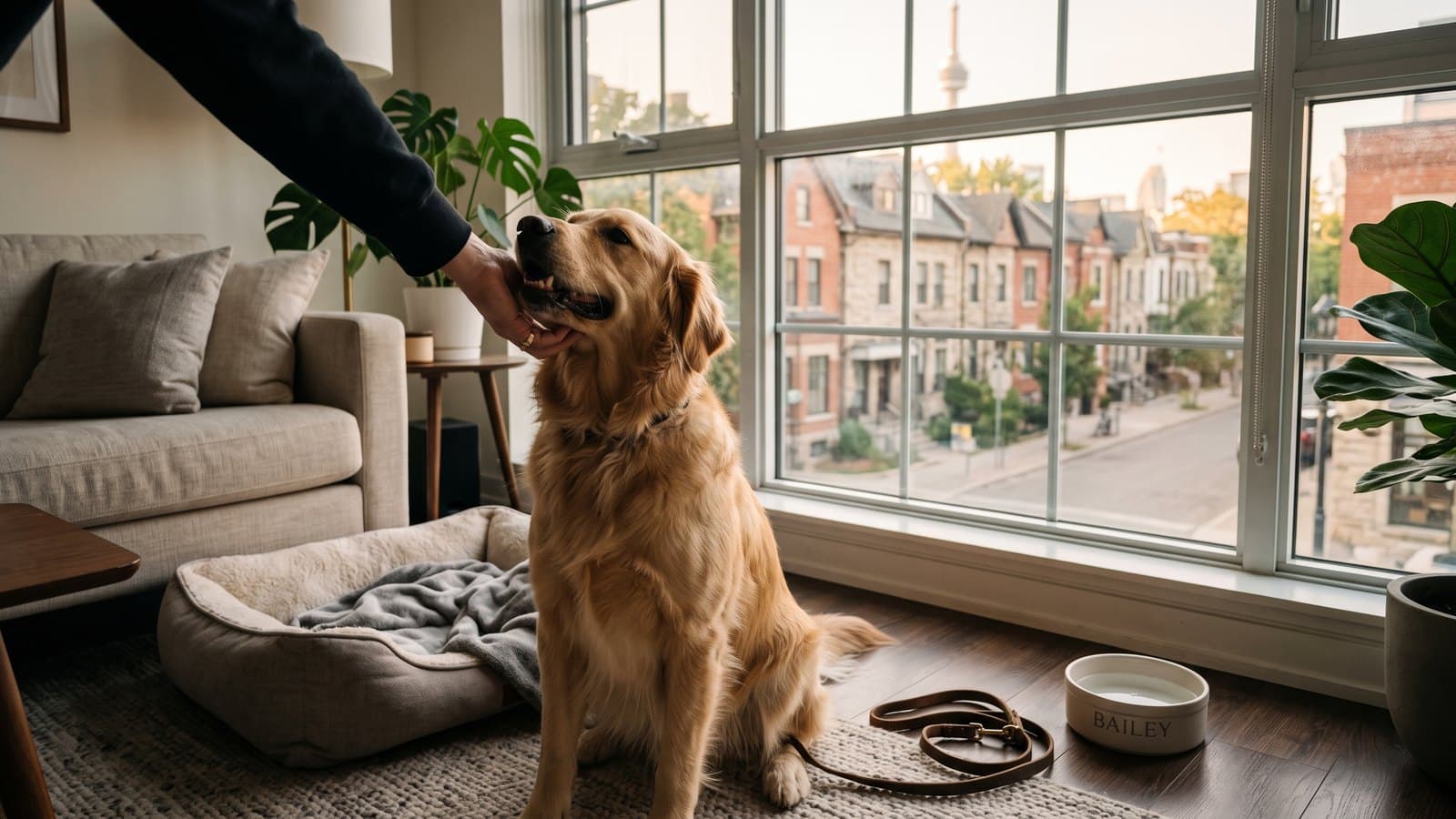
Every province has its own rules regarding how landlords deal with pets in rental units. In Ontario, a landlord can turn down your application because you have a pet, but once you have moved in a "No pets" clause in the lease is void under section 14 of the Residential Tenancies Act, and you can only be evicted over a pet if it causes damage, serious allergies or a safety problem. That is not the case everywhere: in British Columbia and Alberta, for example, landlords can ban pets or limit their size and number, and those clauses are enforceable. Landlords anywhere in Canada cannot deny you for having a service animal.
Basically, do not take a verbal "No pets" rule at face value. Always do your research so that you know your legal rights when it comes to living with your pet. While having a pet is not considered a human right, you should know what's allowed and not allowed before moving in.
That said, if you move into a condo apartment for rent, condo boards can make their own rules and they can ban all or some pets from the building or complex.
When touring an apartment for rent, make sure you try all the taps to make sure they work (for both cold and hot water). You also need to ask about heat. Whether the cost is rolled into your rent or is a separate bill makes no difference. Your landlord has a legal obligation to provide hot and cold water and adequate heat, and the minimum temperature and dates are set by your municipality's property standards bylaw. In Toronto, for example, rental units must be kept at a minimum of 21 C from October 1 to May 15, and where the landlord supplies air conditioning it must keep the unit at no more than 26 C from June 1 to September 30. Check your own city's bylaw before signing.
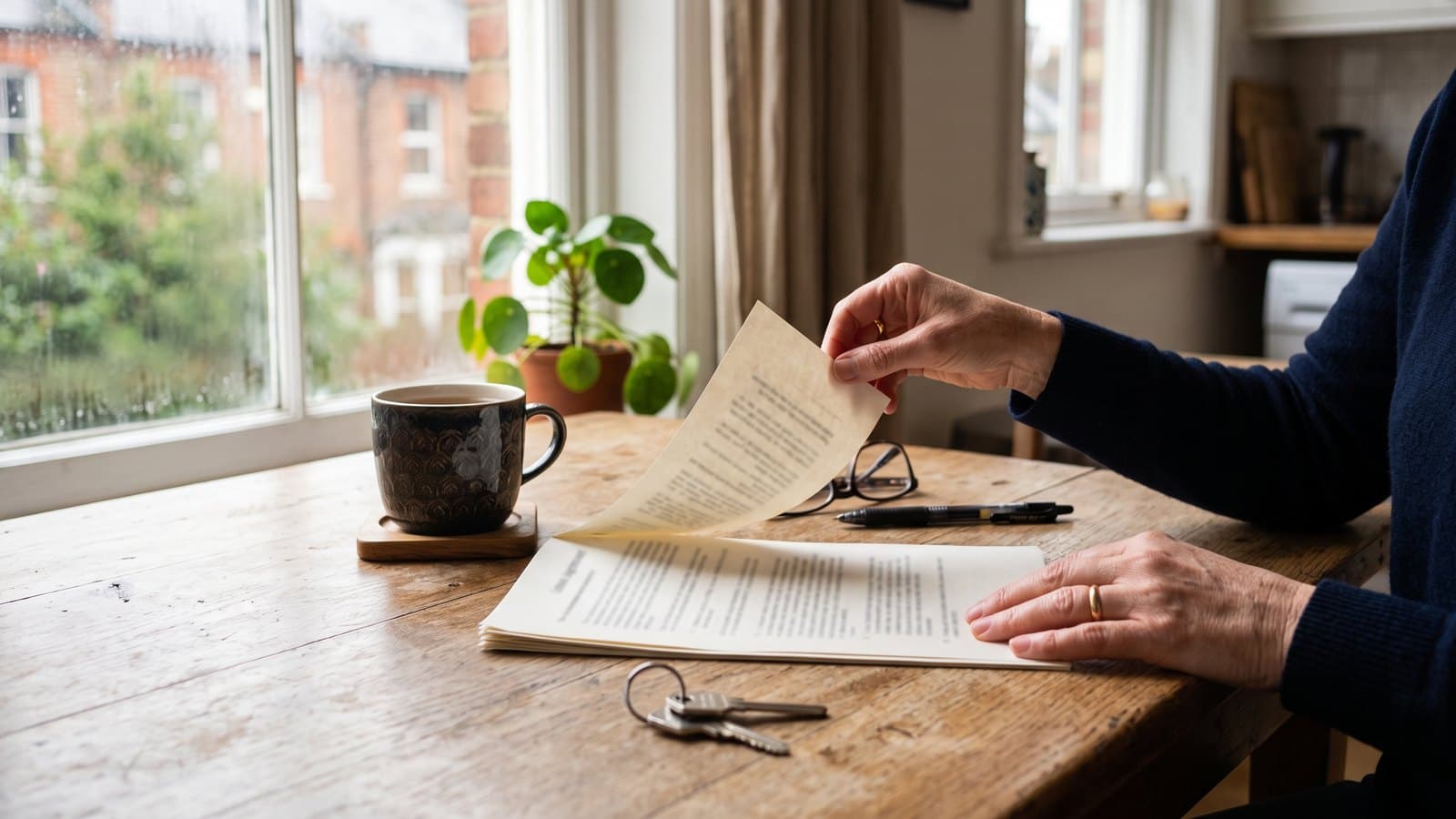
Ask for a copy of your lease agreement. In Ontario, most private residential landlords must use the government's Standard Form of Lease and must give you a signed copy within 21 days of you signing it, whether or not you ask (see our Ontario standard lease guide on gottarent.com for the details). You should always be able to reference your lease. If you sign a new lease each year, ask for a copy of the new one each time you renew, as terms can change.
If there is no tenancy agreement at all and you're renting completely under the table, you won't have the legal protection you'd be entitled to if you had everything in writing. It's in your best interests to read and sign a legally binding tenancy agreement before renting. You'll be glad you did!
Find legal apartments for rent in Canada using Gottarent.com. It's your source to hundreds of rental listings in your chosen area. Connect with trusted landlords and rental companies across Canada who have built up a reputation for being honest and trustworthy.
Keep reading
Jul 24, 2019
Jul 19, 2019

Keep exploring
Browse apartments, condos, and houses for rent across Canada.
Browse apartments for rent