

GottaRent Blog
Renting a House in Toronto: Expectation vs. Reality
Sep 5, 2019
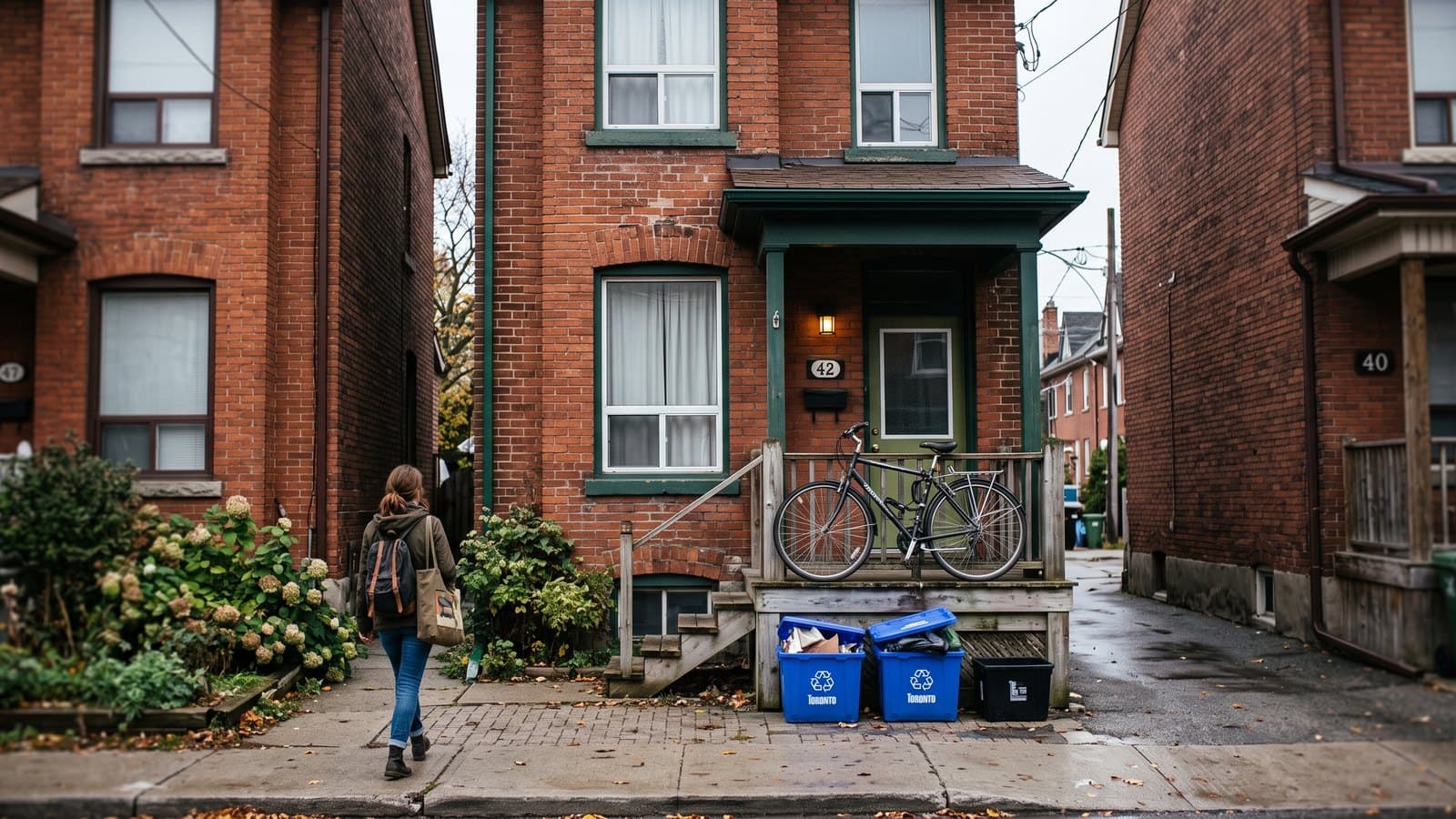
Toronto is one of the most expensive housing markets in Canada, and buying a house is out of reach for many households. That said, there are still many people who want to live in a house but cannot afford to buy. This means finding a house through the house rental agencies.
Renting a house in Toronto sounds like a more affordable alternative to buying, but it's important to manage your expectations when searching, as the results may not be what you were hoping for.
Expectation: close to work
Reality: Most jobs in Toronto are concentrated in the urban areas, where most housing is in high-rise buildings. Most residential neighbourhoods are located outside the core, so you won't necessarily end up within walking distance of work if you want to live in a rental house in Toronto.
Even the single-family homes for rent that are in the urban communities of Toronto are often expensive, and vacancies are typically low.
Expectation: lots of space
Reality: Many renters opt for a house rather than an apartment unit because of the square footage. The truth is, some of the more affordably priced houses for rent are small. And even if the square footage is bigger than in an apartment, older houses typically have very closed layouts, limiting the amount of usable space you end up with.
The other thing that can end up happening is that the entire house won't be available for rent, but rather a basement apartment or an upper floor unit. So, you don't end up with that much more space.
Expectation: plenty to choose from
Reality: Toronto has seen a lot of new purpose-built rental construction: CMHC's 2025 Rental Market Report put the city's purpose-built apartment vacancy rate at roughly 3 per cent (see cmhc-schl.gc.ca for current figures), but houses for rent remain a small slice of that supply. People who have a decent rental now are also reluctant to move. Units first occupied on or before November 15, 2018 are covered by Ontario's annual rent increase guideline, while newer units are exempt from it, so moving usually means paying today's market rent.
The other issue with the Toronto rental supply is that some property owners put their homes up as short-term rentals rather than having long-term tenants. These are called "ghost hotels," as neighbours and members of the community just see people coming in and out but don't know who they are or why they're staying. Short-term rentals house tourists, not residents - so they shrink the pool of long-term rentals. Toronto's short-term rental bylaw has been in force since 2021: operators must register with the City and may only rent out their own principal residence, and council has since tightened enforcement.
Don't lose hope; just keep searching for houses for rent in Toronto, and you might come across an appropriate listing. Use Gottarent.com to make that process easier!
Keep reading
More from the GottaRent blog

Keep exploring
Find your next place to call home
Browse apartments, condos, and houses for rent across Canada.
Browse apartments for rent