
GottaRent Blog
What To Look For In An Accessible Rental Apartment
Jul 17, 2019
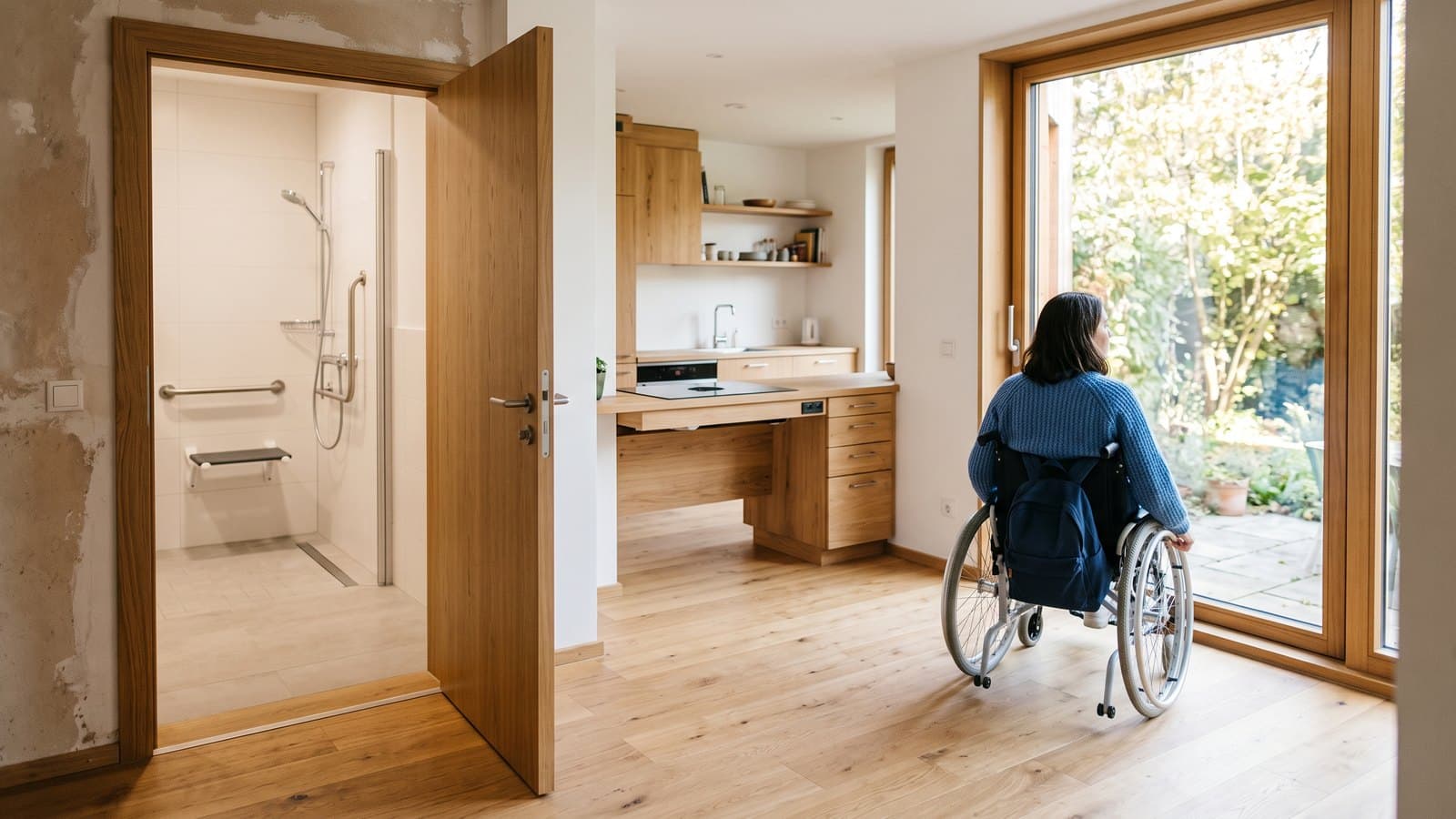
For people living with physical disabilities, searching for a safe and comfortable rental apartment can be difficult. Walk-ups are out of the question, and even some high-rise buildings have limitations. Some buildings make common spaces accessible but not the units. You really have to do your homework to find accessible rentals in your community.
Building access
For those who rely on mobility aids, such as canes, walkers, wheelchairs and motorized scooters, getting in and out of the building is so important. There should be at least one accessible entrance with a ramp or flat surface that allows a wheelchair or scooter to safely enter. If there is an alternate entrance with stairs, there needs to be a handrail. Once inside the building, there should be at least one elevator large enough to fit a mobility scooter or wheelchair.
Know your rights
According to the Ontario Human Rights Commission, landlords or "housing providers" are required to make accommodations for tenants with disabilities so long as the accommodation would not cause "undue hardship." Undue hardship is examined based on cost, source of funds and health and safety requirements, and nothing more. More often than not, accessible upgrades will benefit the landlord in the long term, as they can make the building more attractive for many other tenants. Some features are simple, such as installing a visual (strobe) fire alarm in the unit of a tenant who is deaf or hard of hearing.
If you need a change to your unit or building, ask for it in writing. Describe the barrier and the specific accommodation you need, and keep a copy. The landlord may ask for information about your needs, but not your diagnosis, and should work with you on a solution. The rules above are Ontario's; other provinces have their own human rights codes, so check the one that applies where you live.
Barrier-free units in newer buildings
Newer buildings are a good place to look. Since 2015, the Ontario Building Code has required 15 per cent of the units in a new apartment building to include basic barrier-free features: a barrier-free path of travel and doorways into a bedroom, a full bathroom, the kitchen and the living room. These units must be spread through the building and come in the same sizes as the other suites. Older buildings did not have to be retrofitted, so ask the property manager which units were built to the barrier-free standard.
Purpose-built accessible rentals
If you cannot get a traditional apartment retrofit to accommodate your needs, you may need to look into specifically accessible housing. Some buildings, designed for seniors and persons living with a disability, include wheelchair-friendly apartment units. These units have wider doors, keyless locks, accessible showers, grab bars, low cupboards, larger rooms and so forth. These buildings also have large elevators and ground-floor access. Many of these types of properties have waiting lists, so it's important to put your name in sooner rather than later if you hope to get in.
If your income is limited, look into subsidized housing as well. In Toronto, the City's Access to Housing service runs the centralized waiting list for rent-geared-to-income housing; you apply through the MyAccesstoHousingTO account, and the listings for available units show accessibility features. Other Ontario municipalities have their own centralized waiting lists, and other provinces run their own programs, so search for the housing registry in your city.
Search for accessible rentals
Start your search using Gottarent.com. Once you've found a few places you like, contact the landlord or property manager to inquire about accessibility.
Keep reading
More from the GottaRent blog

Keep exploring
Find your next place to call home
Browse apartments, condos, and houses for rent across Canada.
Browse apartments for rent